You probably have at least a few wooden spoons and spatulas in your kitchen that you’ve had for a few years. While you may clean them regularly, you likely also find that some of them just don’t seem to ever truly get clean, particularly if they’re stained from some sort of seasoning or food. While wooden kitchen utensils are a great alternative to toxic black plastic utensils, they require a little more care to help them last.
I spoke to multiple cleaning experts to learn how to clean wooden kitchen utensils and accessories, like spoons, cutting boards, spatulas and more. Below, they share the best methods for getting rid of stains and smells, and how to actually keep your utensils clean over time.
Want more from NBC Selected? Sign up for our newsletter, The Selection, and shop smarter.
The best products for cleaning wooden kitchen utensils
Before you can get to the steps for cleaning your utensils, you’ll need to gather your supplies, like the ones below. The picks on this list are highly reviewed and have at least a four-star rating from 500 or more shoppers on Amazon and/or are direct recommendations from our staff of wooden utensils users.
This food-safe mineral oil is free of fragrances or smells and it’s safe to use on kitchen utensils made from all different types of wood, as well as other products made from bamboo, according to the brand. While you can use it for many different types of wooden kitchen utensils, the brand recommends it mainly for cleaning and moisturizing wooden cutting boards, butcher blocks and even some non-wooden surfaces like a stainless steel oven or fridge. Plus, shoppers say that it’s easy to apply (you simply add some of the oil to a kitchen towel and rub into the surface) and doesn’t leave a sticky feeling behind.
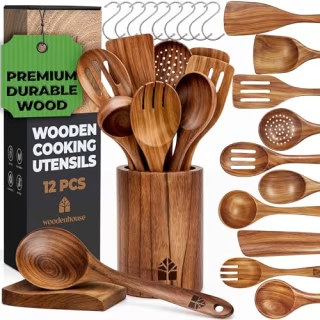
If you want an entirely new set of utensils to start with, this set is a great place to start; each piece is BPA-free and the set includes a mix of spoons and spatulas made from teak wood, as well as a holder to keep them all in one place and a wooden spoon rest for when you’re cooking. It also comes with metal hooks so that you can hang them using the small loops on the handles of the spoons and spatulas. You can get a set with six, eight or 10 pieces, and a popular cutting board set.
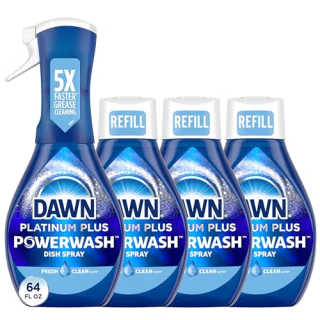
Dawn’s popular Powerwash Dish Spray is one of my most recommended products because it’s so versatile and great for washing dishes of all materials without accidentally overusing the soap. This starter kit comes with one spray bottle and three refills. It’s great for cleaning wooden kitchen utensils without leaving a strong fragrance (this spray has a nice clean yet not abrasive smell to it). Additionally, the brand recommends using it to clean other surfaces like stainless steel appliances and even some clothing.
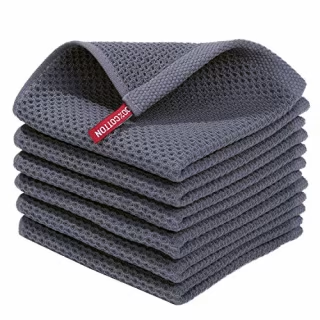
To clean, dry and oil your wooden kitchen utensils, you should get a set of kitchen cloths or towels like these. The towels are available in several sizes and they have a waffle-like (honeycomb) texture that helps them absorb moisture and dry fast, according to the brand. Shoppers say the towels are absorbent and feel soft.
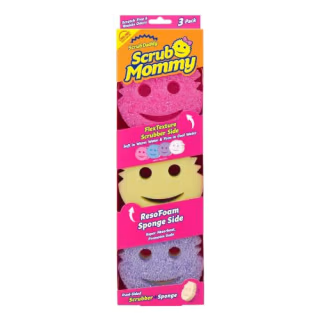
I love using Scrub Daddy (and Scrub Mommy) sponges to clean all of my dishes, but particularly dishes and utensils that food tends to adhere to a lot. When I use these sponges, they do a great job of wiping crusty food residue from utensils, but they’re also effective at cleaning oil and grease from pans, plates and more. You do have to use a lot of water to make them usable and squeezable, but they also last a long time compared to traditional kitchen sponges.
How to clean wooden kitchen utensils
For things like wooden spoons, spatulas and cutting boards, it’s important to make sure that you dry them just as thoroughly as you wash them, according to Robin Murphy, a cleaning expert and chief cleaning officer at home cleaning company Maid Brigade. Make sure to use warm water, dish soap and a sponge or soft brush to clean them thoroughly.
“Wash them after use, rinse well, and dry them with a clean towel,” she says. “Let them air-dry completely before putting them away. If the wood starts looking dry, condition it with a little food-grade mineral oil.”
Additionally, it’s important to use a brush or sponge to clean wooden kitchen utensils to help clean in between crevices and grooves on wooden surfaces, according to Kadi Dulude, cleaning expert and owner of home cleaning company Wizard of Homes. “Use a little bit of mild dish soap and a sponge/brush to remove all food residue, paying attention to get into grooves and joints too,” she says. “Then rinse well and air dry. Don’t put them flat on a wet cloth or anywhere air isn’t circulating, or mold and mildew will grow.”
Here are your step-by-step instructions from the experts:
- After using your wooden spoon, spatula, cutting board or other wooden kitchen utensil, immediately rinse it with warm water to get rid of residue. Don’t put it in the dishwasher.
- Apply warm water and a small amount of mild dish soap, such as Dawn Platinum Powerwash Dish Spray, to a sponge, soft brush or Scrub Daddy, and use it to gently scrub the surface of your wooden spoon, spatula or cutting board, focusing on the surfaces and ends that touch food.
- Rinse them thoroughly with warm water, pat them dry with a paper towel or kitchen towel, and then place them on a drying rack, so that they’re completely exposed to air and therefore dry as fast as possible (don’t place them flat on a kitchen towel, for example).
- For old wooden utensils that are dry and faded, both Murphy and Dulude recommend using a food-grade mineral oil meant for conditioning wooden accessories, such as Kate Naturals Mineral Oil for Wood Cutting Boards. When the wooden utensils are completely dry, apply a small amount of the mineral oil to a cloth and rub the oil onto the surface of it. Allow the utensil to dry completely before storing or using it.
Can you put wooden utensils in the dishwasher?
Both Murphy and Dulude recommend not washing wooden kitchen utensils in the dishwasher (even if the label says it’s dishwasher safe) because the process can be very harsh on the surface of the utensils.
“The dishwasher gets too hot and it’s not good for wood to sit in a hot humid environment for too long. It will cause your items to warp or split” says Dulude. “Some utensils may be safe for the dishwasher, but if you really want to prolong their life, handwash them.” Additionally, water expands as it dries which leads to wooden kitchen utensils cracking and splintering, according to Murphy.
How to maintain wooden kitchen utensils
As I mentioned above, Murphy and Dulude recommend using a mineral oil to help maintain wooden kitchen utensils. A food-grade mineral oil helps restore the moisture in wooden spoons, spatulas and cutting boards without giving them an oily feeling or making foods oily. It’s similar to seasoning a cast-iron skillet or using a moisturizing cream on your face to help restore your natural skin barrier.
When should you replace wooden kitchen utensils?
Pay attention to the surface of the wooden utensil and see if it’s damaged or rough. “Once you start seeing deep cracks it’s time to stop using it because food and moisture will get into the cracks which can contaminate [the next] food [you’re preparing],” says Dulude. “If it’s just [a] small imperfection or roughness then there’s hope you can save it by lightly sanding and using food-grade mineral oil.”
What products should you not use on wooden kitchen utensils and why?
You should avoid harsh cleaning products, like pure bleach or abrasive cleaners, like powders or pastes, because they can mess up the surface of the wood, according to Murphy. She also says to avoid using things like vegetable or olive oil because they become rancid over time, which is why food-safe mineral oil is best. This is also a reminder as to why cleaning them thoroughly is important since they probably already come in contact with things like vegetable and olive oil via cooking and food prep.
Meet our cleaning experts
At NBC Selected, we work with experts who have specialized knowledge and authority based on relevant training and/or experience. We also take steps to ensure all expert advice and recommendations are made independently and without undisclosed financial conflicts of interest.
- Robin Murphy is a cleaning expert, chief cleaning officer at home cleaning company Maid Brigade and writer at cleaning site Who Likes It Dirty.
- Kadi Dulude is a cleaning expert and owner of home cleaning company Wizard of Homes
Why trust NBC Selected?
I’m a commerce editor at NBC Selected where I write about home and cleaning appliances. I’ve written about how to clean hardwood floors and stainless steel appliances and the best shower cleaning products. For this story, I spoke to multiple cleaning experts for their guidance and recommendations.
Catch up on NBC Selected’s in-depth coverage of tech and tools, wellness and more, and follow us on Facebook, Instagram, X and TikTok to stay up to date.
https://platform.instagram.com/en_US/embeds.js
About the Author
