
We don’t always have the answers, but we have some people on speed dial who do — which is why we present to you our series FYI where we have experts explain if lip balm is actually bad, how often you should wash your hair and more.
Hair removal cream promises the easiest fuzz-elimination routine of all: slather it on, wait a few minutes, wipe it away. No nicks or razor burn. No hot wax, no ripping sound, no bracing yourself before the pull. You just get smooth skin without a single blade or strip involved. It sounds almost too good to be true.
Hair removal creams — also called depilatory creams — contain chemicals that break down the protein in hair that gives it structure so that the hair wipes right off. But is this process actually safe for your skin and hair? And how does it stack up against shaving and waxing on smoothness, longevity, and irritation? I asked dermatologists to break down what’s really in these creams, who should skip them and whether the convenience is worth the possible down sides.
How does hair removal cream work?
Unlike a razor, which cuts hair off at the surface, depilatory creams work on a chemical level. “Hair removal creams contain chemicals such as calcium thioglycolate or potassium thioglycolate that break down keratin, which is the protein that gives hair its strength,” says Dr. Kristina Collins, a board-certified dermatologist in Texas. “Once the hair shaft has weakened, it can be gently wiped away from the skin’s surface.”
Some people think that hair removal creams burn the hair away, but that’s not technically correct — they are just breaking down the hair structure, turning it into a jelly-like substance that can be wiped away easily. The idea that it is burning likely comes from two factors: First, hair removal creams tend to release a distinctive smell as they work. Experts told me that this is because they are breaking down sulfur bonds within your hair, which releases hydrogen sulfide — a compound that can smell a bit like rotten eggs.
The other factor that leads some people to think these creams burn hair off is common misuse. Hair removal creams should generally only stay on your skin for five to 10 minutes (always follow the directions on your specific product). If left on for longer, the same chemicals that break down your hair structure may start sinking into skin and breaking down keratin found there, which can lead to a burning sensation, according to experts.
This chemical mechanism is also what separates the cream from waxing. “Unlike waxing, hair removal cream doesn’t remove the root, so the effects don’t last as long as that technique,” says Dr. Mary Alice Mina, a board-certified dermatologist and host of The Skin Real podcast. Because the hair is still intact below the surface, it grows back on a timeline closer to shaving than to waxing.
Still, that doesn’t mean the results are identical to a razor’s. “Hair removal creams generally last slightly longer than shaving because they dissolve the hair just below the skin’s surface rather than cutting it flush with the skin like shaving,” says Collins. Because of this, regrowth takes a bit longer and most people can expect results to last about three to seven days.
Is hair removal cream safe?
For most people, hair removal cream is safe to use. If you’re worried that your skin will absorb the chemicals with repeated usage, experts say that should not be a big concern. Here’s why: The active ingredients are formulated to sit on top of skin and penetrate the upper hair shaft. Very small amounts may penetrate the top layer of skin, but they won’t pass into the blood stream, according to both experts I spoke to.
“Hair removal creams can be a safe and effective option for many people when used exactly as directed,” says Collins. “That said, because these products contain strong chemical ingredients, they can also irritate the skin, especially in people with sensitive skin, eczema, rosacea, or a compromised skin barrier. Following the instructions carefully and avoiding leaving the product on longer than recommended is essential.”
In other words, the same chemical reaction that makes these creams so convenient is exactly why they can backfire if you get careless with timing or application. That’s why both dermatologists suggest doing a patch test before you go all in on a new-to-you product.
“If you do have sensitive skin, doing a patch test on a small area of skin first is recommended,” says Mina. “You do this by applying a small amount to an inconspicuous area like your inner arm or thigh and wait 24 to 48 hours. If you get redness, burning, itching, or a rash, that cream isn’t for you.” If you’ll be applying the hair removal cream to a particularly sensitive area (like your bikini line), try the patch test on your inner wrist. The skin there tends to be more sensitive and it will be more of a like-for-like match, according to experts. It’s a small extra step, but it can save you from discovering an irritation on your face or bikini line instead of somewhere easy to hide.
The best hair removal creams
Most of the hair removal products on the list below come recommended by Collins or Mina. The rest align with their guidance on what they recommend prioritizing in hair removal creams and have at least a four-star average from hundreds of reviewers.
Formulated for reactive skin types, this gentle depilatory cream is one Collins recommends for sensitive skin and for use on larger areas like legs and arms. It removes hair below the surface and hydrates at the same time, according to the brand. Shoppers say it works well and doesn’t sting or irritate skin.
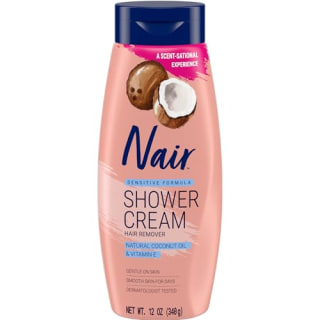
Designed to be applied and rinsed off right in the shower, this gentle formula appeals to Collins for its convenience — no waiting around outside the shower or adding a separate step into your routine. It’s made with sensitive skin in mind and has a pleasant but mild coconut scent, according to many reviewers.
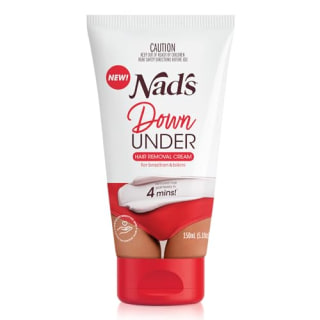
Another trustworthy brand Collins recommends, this cream is formulated specifically for the bikini area, where skin tends to be more delicate and reactive. It’s designed to remove hair gently without the irritation that shaving or waxing can cause in more sensitive, intimate areas, according to the brand.
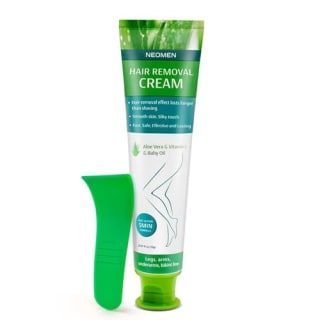
Marketed for both men and women, this cream works on larger areas like legs, arms and underarms. It breaks down hair below the skin’s surface for a smoother, longer-lasting result than shaving, making it a fuss-free option for anyone looking to skip the razor altogether. Unlike other options on the list, it comes with a removal tool that you use similarly to a razor to wipe the cream (and the hair) off when you’re done, though some reviewers had mixed feelings about how useful it is.
Want more from NBC Selected? Sign up for our newsletter, The Selection, and shop smarter.
How I picked the best hair removal creams
To come up with a list of the best hair removal creams, I asked experts for their top picks and for what to prioritize when shopping. Here is what the suggest:
- Formulation: “Choose a product specifically formulated for the area you plan to treat, such as the face, legs, underarms, or bikini line,” says Collins. Formulas made for the face or bikini area tend to be gentler and work faster, since that skin is thinner and more sensitive than skin on the legs or arms.
- Ingredients: In addition to calcium thioglycolate or potassium thioglycolate, which break down the hair, look for ingredients that are hydrating or soothing to help prevent irritation. Collins suggests ingredients like aloe vera, shea butter, vitamin E, or chamomile. These additions won’t change how effectively the cream removes hair, but they can help offset the dryness or tightness that depilatory chemicals sometimes leave behind.
- Fragrance: If you have sensitive skin, experts recommend selecting a fragrance-free formula, as fragrances can cause further irritation. Added scents are one of the most common triggers for allergic reactions and contact dermatitis, according to the experts I spoke with, so skipping them lowers your odds of a reaction.
Frequently asked questions
Certain areas call for extra caution, or avoiding hair removal cream altogether. “Skin on the face and genital skin can be extra sensitive so use caution here and use a formula specific for those areas,” says Mina.
Beyond location, the condition of your skin matters just as much. “Hair removal creams should never be used on broken, sunburned, inflamed or infected skin,” says Collins. Applying a chemical depilatory to compromised skin can intensify irritation, cause burns, or delay healing, so it’s worth waiting until skin is fully calm and intact before reaching for the cream.
It depends on what you’re optimizing for. Hair removal cream tends to leave skin smoother for slightly longer than shaving, since it dissolves hair just beneath the surface instead of cutting it flush with the skin (as shaving does) — and it sidesteps the nicks, cuts, and razor burn that come with a blade.
But it’s not a clear upgrade for everyone. The same chemicals that make it effective can irritate sensitive skin, and it typically works more slowly than a quick pass with a razor. In other words, it is really up to you, your skin type and what you have time for.
There is no hair removal method that is better than another — it really comes down to what you are looking for and what your skin can handle. The benefit of waxing is that it lasts longer than shaving and hair removal cream. Typically, waxing lasts between three and four weeks because wax pulls hair out at the root, so it takes longer to grow back. Many also report that their hair grows back finer over time with repeated waxing.
That said, it tends to be more painful and can be more abrasive to the skin because the wax can attach to your skin as well as the hair, so those with sensitive skin need to be careful. Additionally, you have to wait longer between waxing because you need the hair to grow back enough for there to be something for the wax to grip on to. Translation: You’ll have to deal with a bit of stubble between waxes.
Because formulas vary by brand and by body area, the most important rule is to always follow the specific directions on the product you’re using — timing, application amount, and rinse-off instructions aren’t one-size-fits-all. In general, that means doing a patch test first, applying an even layer to clean, dry skin, and setting a timer so you don’t leave the product on longer than instructed. Once the time is up, gently wipe or rinse the cream away rather than scrubbing.
Meet our skin care experts
At NBC Selected, we work with experts with specialized knowledge and authority based on relevant training and/or experience. We also ensure all expert advice and recommendations are made independently and without undisclosed financial conflicts of interest.
- Dr. Kristina Collins is a board-certified dermatologist specializing in Mohs micrographic surgery, as well as surgical and cosmetic dermatology in Texas.
- Dr. Mary Alice Mina is a board-certified dermatologist and host of The Skin Real podcast.
Why trust NBC Selected?
I am a commerce editor at NBC Selected and a journalist who regularly covers wellness, beauty, home and lifestyle. I have written about the best roll-on deodorants, whether beef tallow is a good moisturizer and whether or not makeup wipes are good for your skin. For this story, I spoke with two board-certified dermatologists about the safety and efficacy of hair removal cream.
Catch up on Selected’s in-depth coverage of tech and tools, wellness and more, and follow us on Facebook, Instagram, Twitter and TikTok to stay up to date.
//platform.twitter.com/widgets.jshttps://platform.instagram.com/en_US/embeds.js
About the Author
