A multistate salmonella outbreak tied to eggs is currently under investigation by the Centers for Disease Control and Prevention (CDC), with 98 illnesses and 26 hospitalizations reported across 17 states so far. The source has been traced to a Texas egg producer, and a recall is already in effect — but for many households, the eggs in question may still be sitting in the fridge.
Keep reading for everything you need to know, including more details about the outbreak and the practical steps you can take right now to protect yourself and your family.
Want more from NBC Selected? Sign up for our newsletter, The Selection, and shop smarter.
What is salmonella and how do you get it?
Salmonella refers to a group of bacteria that cause an illness known as salmonellosis (commonly referred to as simply salmonella). People typically become infected after swallowing the bacteria, which live in the intestines of both people and animals. According to the CDC, that exposure can happen in more ways than most people realize: through contaminated food, by drinking contaminated water, and by touching animals, animal waste or the environments animals live in. That said, the CDC reports that contaminated food is behind most cases in the United States — including the recent outbreak, which has been linked to eggs.
While thousands of Salmonella types exist, only a small fraction are responsible for the vast majority of human illness. Warmer weather and unrefrigerated food create ideal conditions for the bacteria to grow, which is why the CDC says infections tend to climb in the summer months. It’s also worth noting that officially confirmed case counts, like the ones tied to this outbreak, likely understate the real scope: CDC estimates that only one in every 30 salmonella infections is ever diagnosed, largely because many people think they have food poisoning and just deal with it at home.
What you need to know about the most recent salmonella outbreak
Public health officials in several states are currently investigating a multistate outbreak of salmonella infections linked to eggs, with 98 cases reported and 26 hospitalizations across 17 states so far (no deaths have been reported). The source has been traced to Midwest Poultry Services, L.P., a Texas producer that recalled more than 1.5 million dozen eggs after testing raised concerns about possible contamination.
The recalled cartons — sold under brand names including Kroger, Simple Truth, Brookshire’s, Cal-Maine, and Country Morning — were distributed to stores and foodservice outlets across Texas, Louisiana, Oklahoma, Arkansas, Mississippi, and New Mexico. Impacted cartons were sold in bulk and retail sizes of 6, 12, 18, 24, 30, 36, and 60 eggs. The “best by” dates are between July 20 and August 17, 2026 and the cartons have codes P-1950 or 0840962 on them, according to the CDC.
If you have eggs matching that description in your fridge, the guidance is simple: throw them out or return them, and wash any surfaces or items that may have come into contact with them using hot, soapy water or a dishwasher.
It’s worth noting that Chipotle has separately pulled jalapeños from restaurants nationwide amid a possible link to a salmonella outbreak that has made more than 100 people sick in Minnesota.
How to protect yourself from getting salmonella
There is a lot you can do at home to lower your risk of getting salmonella. According to the CDC, these are the best steps you can take:
- Refrigerate items promptly: Don’t let eggs, chicken or leftovers sit out, especially in warm weather when bacteria multiply quickly.
- Cook eggs and chicken thoroughly. Eggs and chicken need to reach an internal temperature of 165 degrees Fahrenheit to kill off the Salmonella bacteria. You can use a food thermometer to check the temperature of your poultry if you’re not sure if it’s thoroughly cooked.
- Wash your hands. Use soap and water after handling raw eggs, poultry or produce, and before eating or preparing food to help prevent transferring bacteria.
- Sanitize surfaces. Use disinfectant on countertops, refrigerator shelves or other items that touch raw eggs or meat. The CDC says that you can create your own disinfectant by mixing one teaspoon of liquid chlorine bleach per quart of clean water. If bleach is not your preferred disinfectant, there are plenty of products available that will sanitize surfaces without it (see below)
- Check for recalls. Keep an eye on NBC Selected for more recall announcements, and toss or return any product that matches a recall notice.
- Wash your produce. It is a good idea to rinse items like jalapeños and other fresh vegetables before eating, even if you plan to cook them.
The best products for reducing the risk of salmonella
When it comes to preventing salmonella, health officials at the CDC say the best thing you can do is practice safe food handling and use the tips above. These tools can also help keep your kitchen clean and ensure your food is cooked properly.
Lysol Pro Kitchen Antibacterial Spray cuts through grease while killing 99.9% of bacteria on contact, including Salmonella, according to the brand. It’s formulated for kitchen surfaces, making it effective for wiping down countertops and fridge shelves after handling recalled eggs or other potentially contaminated groceries — helping prevent cross-contamination during outbreaks like this one.
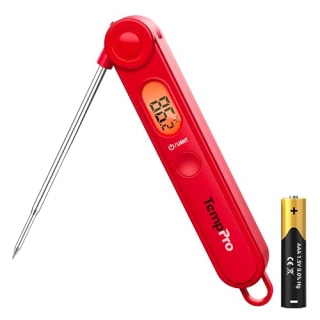
This digital food thermometer delivers accurate readings in seconds, taking the guesswork out of cooking. Simply insert the probe into eggs, poultry, or meat to confirm they’ve reached a safe internal temperature — typically 165 degrees Fahrenheit — which effectively kills Salmonella bacteria in food.

The iDesign Clear Plastic Egg Holder keeps eggs organized and contained in their own space, separate from other foods. Whether you transfer eggs here or keep them in their original carton, containment helps prevent contact with other items, thus reducing the risk of cross-contamination in your fridge.
Frequently asked questions
According to the Cleveland Clinic, you should call your healthcare provider right away if you have diarrhea with a fever greater than 102 degrees Fahrenheit, diarrhea lasting more than two days without improvement, bloody diarrhea, vomiting so severe you can’t keep liquids down or signs of dehydration like reduced urination, a dry mouth and throat, or dizziness when standing. Left untreated, severe cases can lead to dehydration or the infection spreading beyond the intestines, so it’s better to check in with a doctor early than to wait it out.
Symptoms typically appear 12 to 72 hours after exposure and last four to seven days, with most people recovering without any specific treatment, according to the Mayo Clinic. Diarrhea can persist for several days and, in some cases, lead to severe dehydration, particularly in young children and older adults, and it may take several months before bowel habits fully return to normal. Even after symptoms clear up, the bacteria can still be present in a person’s stool for several weeks, which is why continued handwashing matters even once you’re feeling better.
Why trust NBC Selected?
I am a commerce editor at NBC Selected and a journalist who regularly covers wellness, beauty, and lifestyle. I have written about relieving shoulder pain and whether or not makeup wipes are bad for you. For this story, I gathered information from NBC News and the CDC on the recent salmonella outbreaks.
Catch up on NBC Selected’s in-depth coverage of tech and tools, wellness and more, and follow us on Facebook, Instagram, Twitter and TikTok to stay up to date.
//platform.twitter.com/widgets.jshttps://platform.instagram.com/en_US/embeds.js
About the Author