
The Army is grappling with a sudden budget crunch and scrambling to slash training costs across broad swaths of the force, according to internal documents reviewed by ABC News and multiple U.S. officials.
The move is to make up for a shortfall of some $4 billion to $6 billion, according to one of the officials, as the service has drastically expanded its operational footprint at home and abroad.
The cuts, which range from elite schools to unit-level training, have triggered a wave of abrupt cancellations and unusually aggressive spending scrutiny months before the fiscal year ends Sept. 30.
Kevin Lamarque/Reuters
The service’s multibillion-dollar shortfall is the product of a widening set of operational demands and rising costs across the force.
Major drivers, a U.S. official noted, have been costs associated with the Iran war and an expanding mission securing the southern U.S. border.
Additionally, expansive National Guard missions, including the ongoing deployment in Washington, D.C., which alone is projected to cost roughly $1.1 billion this year, according to estimates from the nonpartisan Congressional Budget Office.
At the same time, the service is absorbing ballooning personnel expenses and stepping in to cover missions tied to Department of Homeland Security funding lapses, including at the southern border and construction projects. The Army is expected to be reimbursed for covering down for some of DHS’ expenses incurred during the record 76-day DHS shutdown.
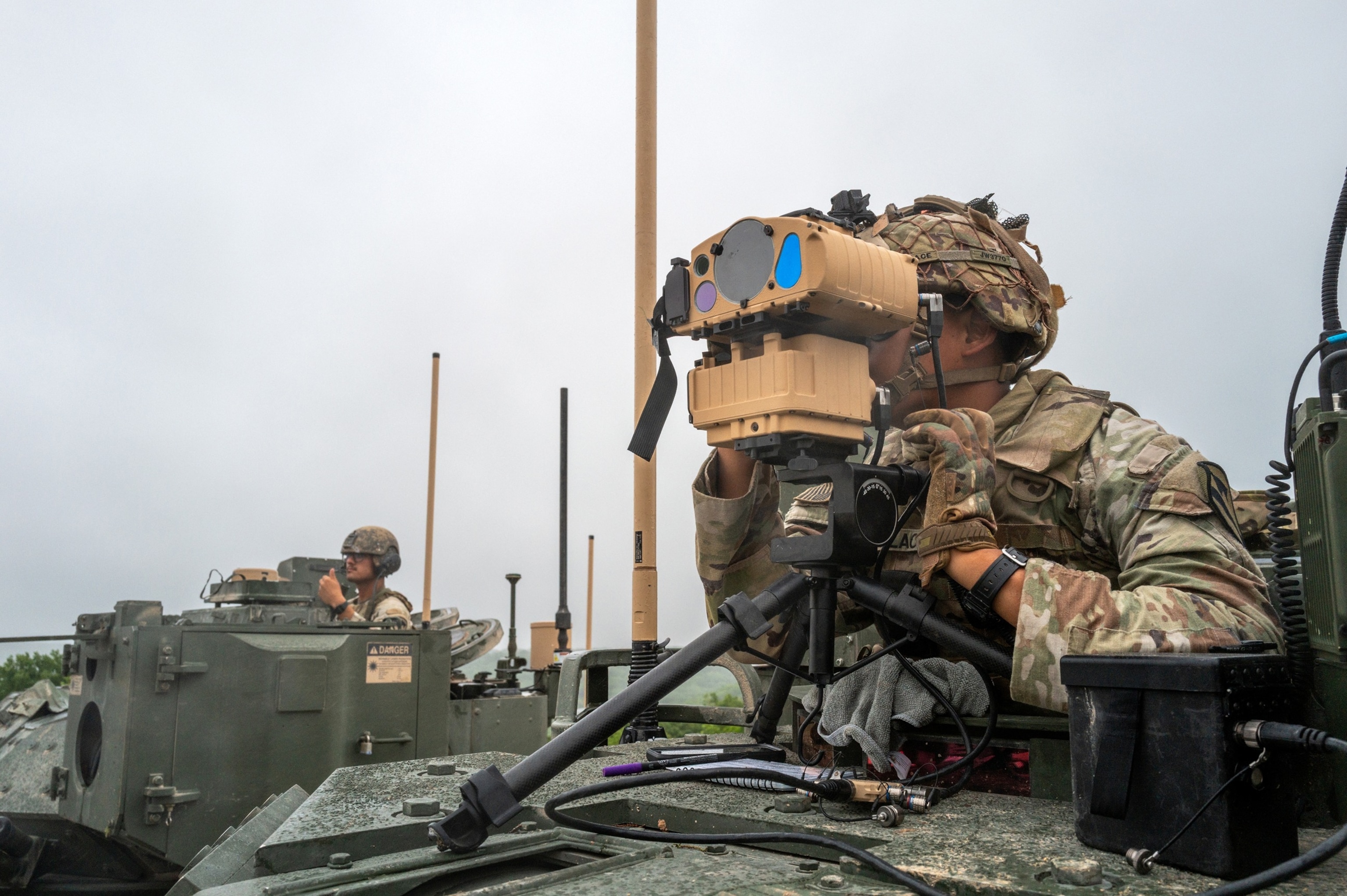
The Army’s III Armored Corps, an umbrella of the Army’s heavy armor and cavalry units, is expected to bear a lot of the brunt, a document outlining projections to units on consequences of funding cuts shows.
That internal plan warns that the corps’ aviation units will deploy next year at “a lower state of readiness,” and “career stagnation” of mid-level officers who would oversee key training events and noted it would take a full year for units to rebuild “combat proficiency.”
The corps commands some 70,000 soldiers representing nearly half of the service’s combat power.
Brandon Bell/Getty Images, FILE
The reductions there include slashing roughly half of the formation’s budget and gutting pilots’ flight hours down to minimum mandatory levels.
The cuts to flights come as the Army’s aviation enterprise faces mounting scrutiny following a string of high-profile mishaps, much of that historically been attributed to fatigue and dwindling pilot flying time in recent years.
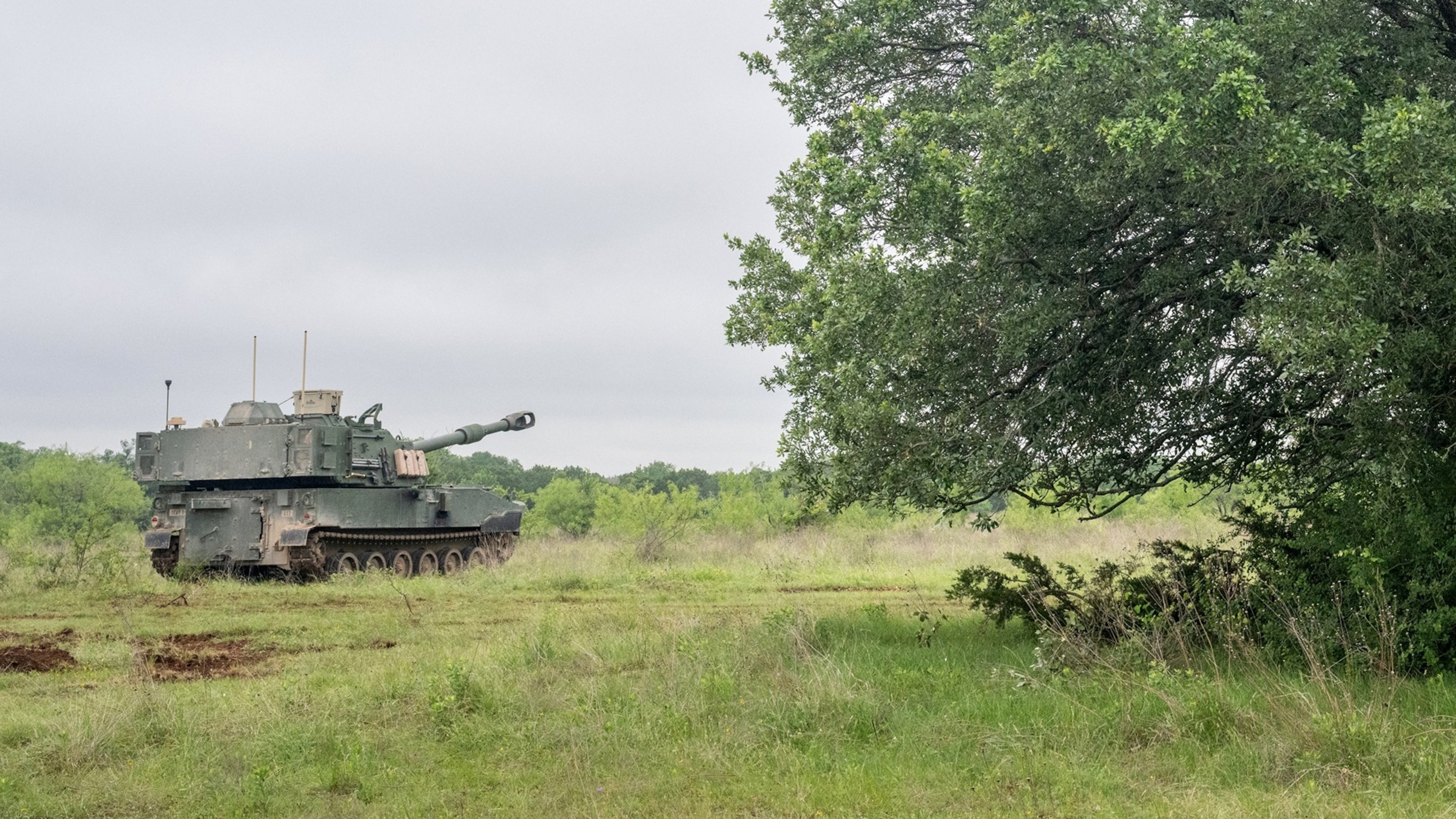
Also among the moves: an upcoming Army Sapper Course, the service’s premier combat engineering school, was canceled, while an artillery course set to begin Monday at Fort Campbell, Kentucky, was abruptly called off. Other units and military training courses are also auditing more closely how many soldiers it can train, two U.S. officials explained.
“Army commanders are taking all necessary measures to prioritize critical readiness and operational requirements, ensuring we operate responsibly within our currently enacted funding levels,” Col. Marty Meiners, an Army spokesperson, said in a statement.
Brandon Bell/Getty Images, FILE
The Defense Department declined to say whether similar training cuts are being made across the military or are largely confined to the Army, referring ABC News questions to the individual services.
The cuts come amid skyrocketing fuel costs, which can quickly drive up the price of large-scale training exercises, aviation operations and travel. But it remains unclear whether those soaring costs are directly behind the moves now rippling through Army commands.
The Pentagon’s belt-tightening measures were briefly mentioned on Capitol Hill Tuesday as Secretary of Defense Pete Hegseth testified before lawmakers on the Pentagon’s request for a $1.5 trillion budget. But defense officials never directly addressed the concerns.
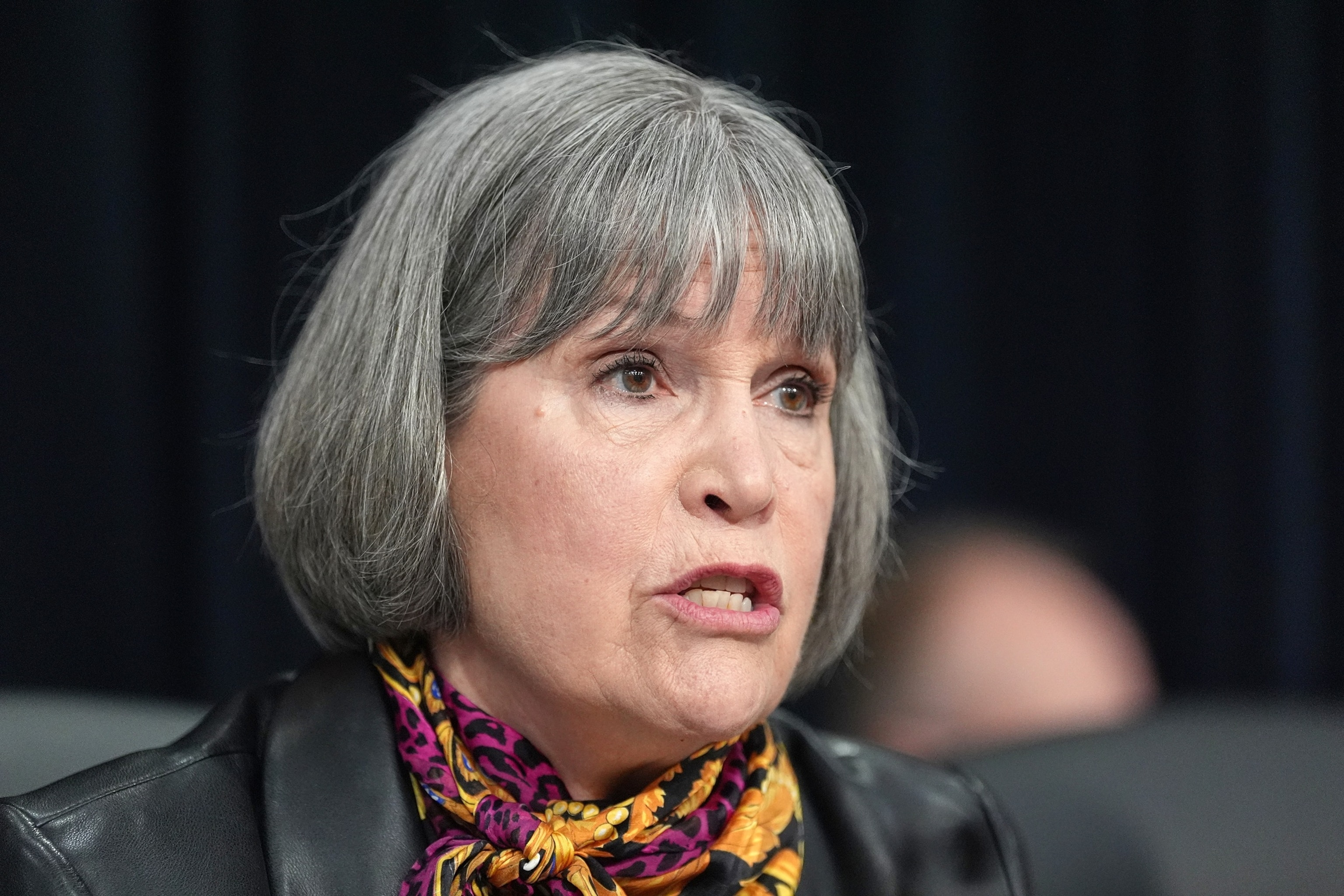
Rep. Betty McCollum speaks at a House Appropriations subcommittee budget hearing for the Department of Defense with Defense Secretary Pete Hegseth, Defense Secretary Pete Hegseth and acting Under Secretary of Defense and Comptroller Jules Hurst III, on May 12, 2026, in Washington, D.C.
Alex Brandon/AP
“We need to know the impact of what it’s having on the services executing missions beyond the war, the department notified us that the standard fuel price for the services has increased from $154 to $195 a barrel,” Rep. Betty McCollum, D-Minn., said Tuesday during a hearing on the Pentagon’s budget.
“That’s more we have to pay for fuel. Then there’s less money available for training and exercise that the services need to perform,” she added.
Scaling back training late in the summer as the fiscal year winds down is relatively routine inside the Pentagon. But officials say it is far less common to see such sweeping cuts and cancellations this early in the budget cycle.
About the Author

