Tennessee Department of Correction Commissioner Frank Strada said he will resign days after Christa Pike was hospitalized in the wake of a botched execution attempt, according to Gov. Bill Lee.
The Tennessee governor’s statement on Saturday did not directly reference the situation with Pike, who is currently “critically ill,” unconscious and on a ventilator in a hospital following the Sept. 30 failed execution. In the announcement, Strada said that stepping aside was “in the best interest of Tennesseans as the independent review moves forward.”
George Walker IV/AP Photo
“I believe this review is entirely appropriate and necessary, and I look forward to doing everything I can to help determine exactly what occurred,” he said in a statement.
Lee said he accepted Strada’s resignation and the commissioner would leave his post at the end of the month.
“Commissioner Strada has served with integrity, and I appreciate his willingness to put the interests of Tennesseans first during this difficult moment,” the governor said in a statement.
An interim commissioner will be announced at a later date, the statement noted.
Pike’s attorneys, Randy Spivey, Kelly Gleason, Stephen Ferrell and Luke Ihnen, responded to the Strada stepping down in their own statement.
“The resignation of Commissioner Strada is justified, but it does nothing to help Christa now. What happened to her Wednesday reflects a systemic failure that goes far beyond any one person,” they wrote. “We hope the Governor’s call for a full, independent review will expose the profound problems within Tennessee’s entire death penalty system.”
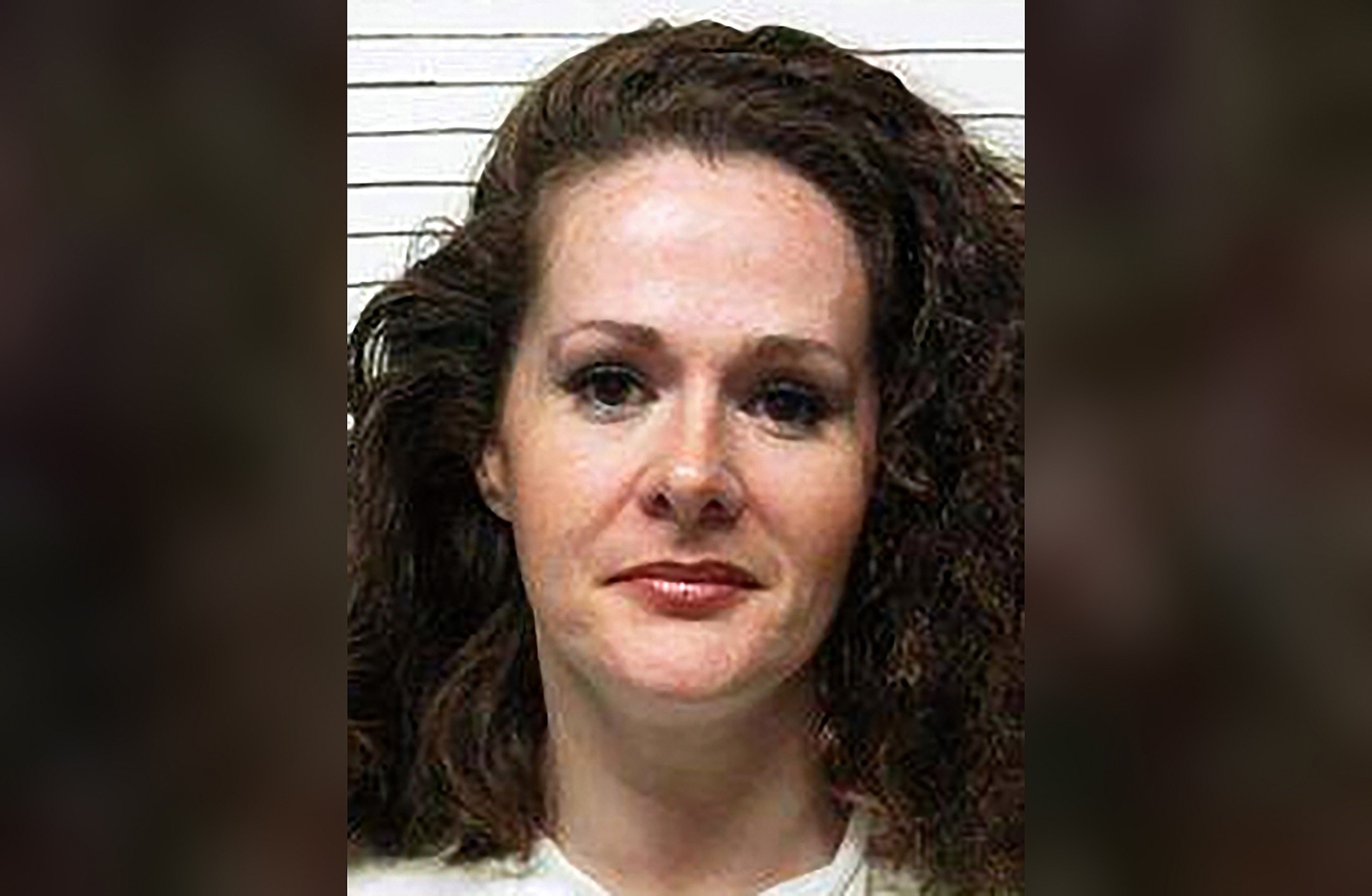
Tennessee Department of Correcti via AP
Strada’s resignation comes after questions arose about his record as a correction official and other botched executions.
Strada began serving as the Deputy Director for the Arizona Department of Correction in January 2020 after serving as the director of operations for private prison operator The Geo Group, according to his LinkedIn page.
During his tenure in Arizona, he oversaw prisons where advocates say three executions were botched.
According to the Death Penalty Information Center, each of the three executions Arizona conducted in 2022 was “visibly problematic.”
Those three executions were the state’s first since 2014, when the lethal injection of Joseph Wood took nearly two hours and resulted in him visibly struggling to breathe.
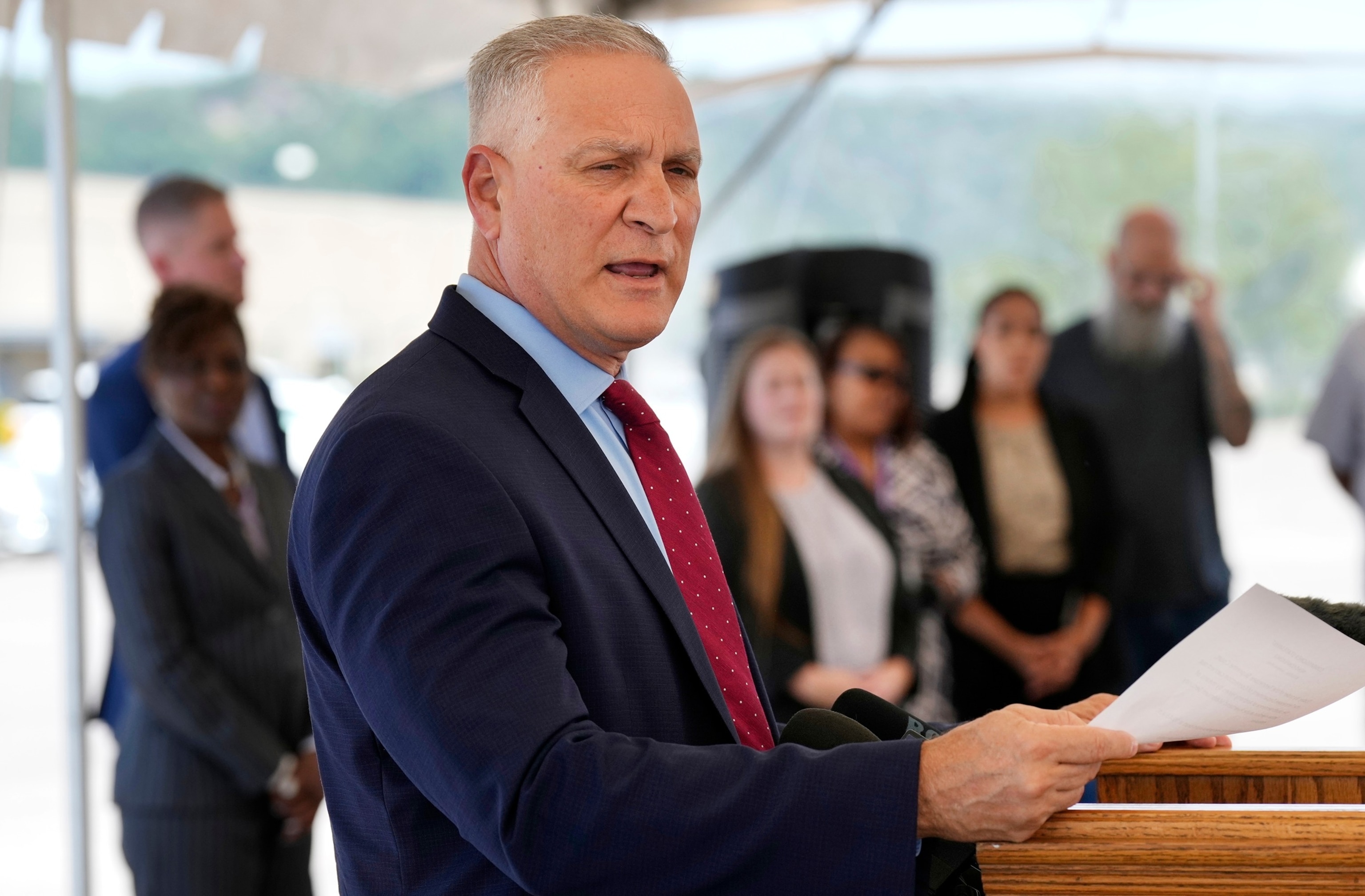
Mark Humphrey/AP Photo
After the three executions in 2022 went wrong, Arizona Gov. Katie Hobbs signed an executive order directing an independent review of the state’s execution policy and paused lethal injections in the state.
About a month before Hobbs signed her executive order, Tennessee’s Gov. Lee announced that Strada would take over the state’s Department of Correction.
At the time of his appointment, Tennessee too had paused executions after a 2022 incident when a lethal injection was halted at the last minute because officials failed to properly test the drugs.
By December 2024 — under Strada’s leadership — the Tennessee Department of Correction issued new protocols to resume lethal injections in the state.
Pike’s attorneys said Friday that she is in the hospital on a ventilator and being “treated for the serious effects of the pentobarbital administered during the execution attempt, including significant injuries to both arms.”
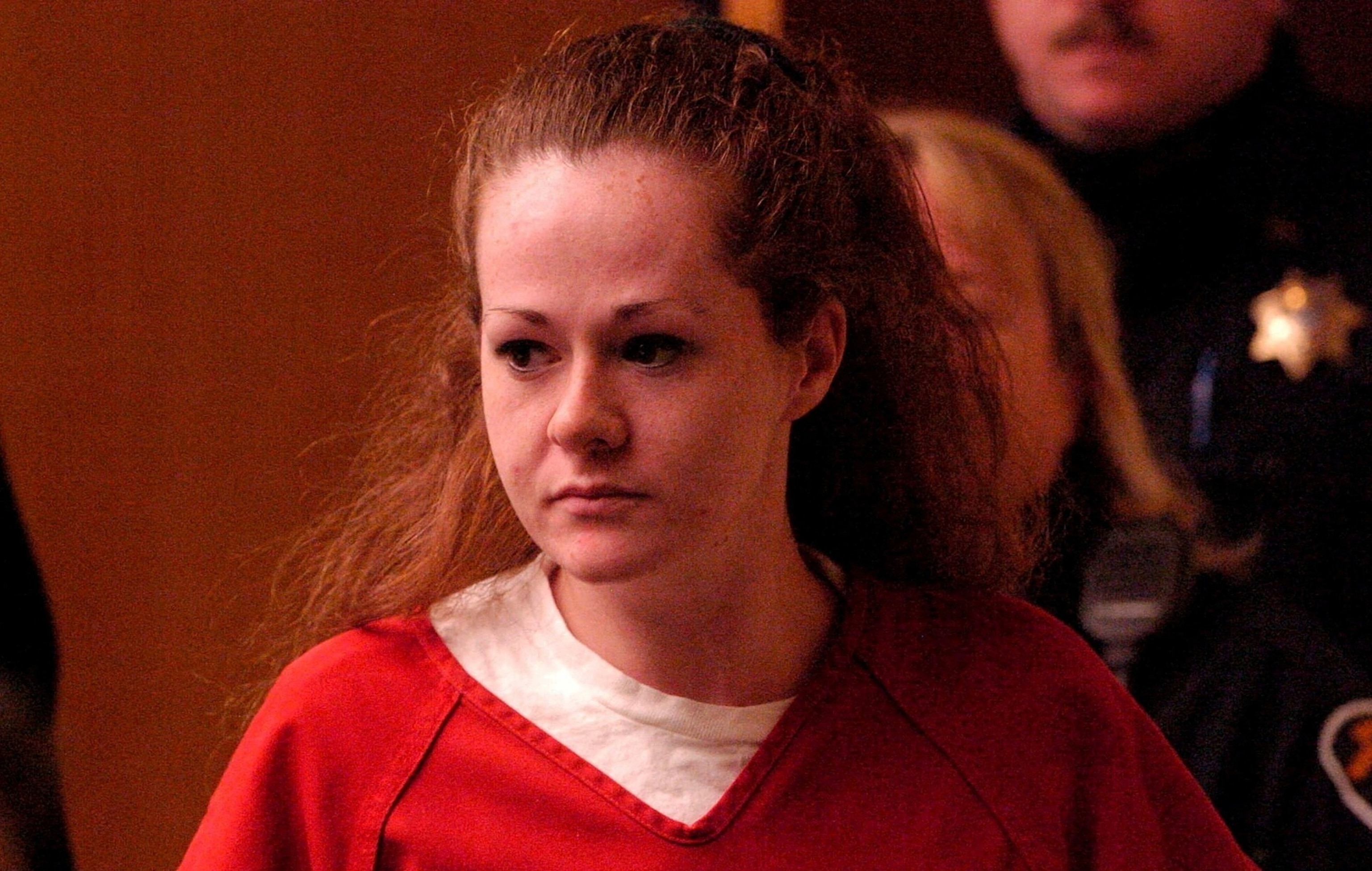
Death row inmate Christa Pike enters a Knox County Criminal Court in Knoxville, Tennessee, December 4, 2007.
J. Miles Cary/USA Today Network via Reuters
The attorneys filed an emergency motion Friday in Davidson County Chancery Court seeking an order requiring the Tennessee Department of Correction to preserve all relevant evidence related to the execution attempt.
According to the motion, Pike “could be heard crying, whimpering, and breathing loudly” while being administered two lethal doses of pentobarbital, at one point stating that her arm “feels like it’s about to burst open.” At least seven needles were used to gain IV access, with one “bent in a 90-degree angle when it was removed,” it stated.
The motion described pentobarbital, a sedating medication, as being “caustic and highly alkaline” and that it “burns upon contact.” Both of Pike’s arms were “swollen, burned, and blistered” when she arrived at a Nashville-area hospital, the motion stated.
“Hospital staff are working to save Ms. Pike’s life and to clear the pentobarbital from her system,” the motion stated.
Pike, the first woman the state planned to execute in over 200 years, had raised concerns about a lethal injection in the months prior to her scheduled execution, arguing that her “thrombocytosis, post traumatic stress disorder and small veins ‘make it sure or very likely that there is a substantial risk that she will experience unnecessary and superadded pain and suffering, terror, and disgrace,'” the motion stated.
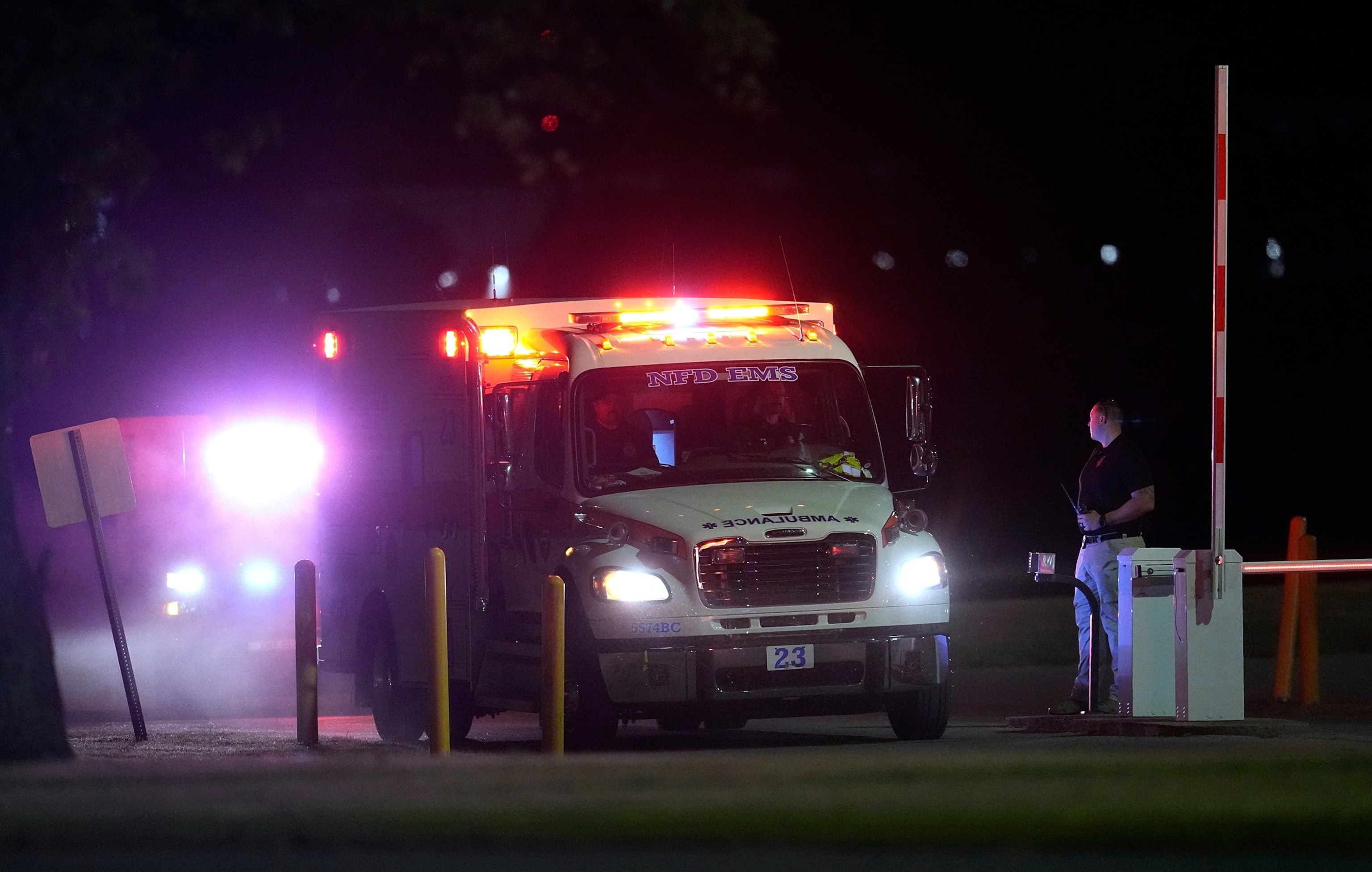
Emergency vehicles arrive at Riverbend Maximum Security Institution after the execution of Christa Pike was halted, Sept. 30, 2026, in Nashville, Tenn.
George Walker IV/AP Photo
Pike is the first person reported to have survived lethal injection after being given medications, according to the Death Penalty Information Center, whose executive director referred to the failed attempt as “the worst we’ve ever seen and unlike any other botched execution in the modern era.”
The governor has ordered a “third-party review” and a temporary halt to scheduled executions after the execution attempt.
“So far as we know, the Department of Correction followed exactly the protocol as outlined,” the governor told reporters on Thursday. He said the state needs to know “why the outcome is different this time than ever before.”
ABC News’ Peter Charalambous contributed to this report.
About the Author
